
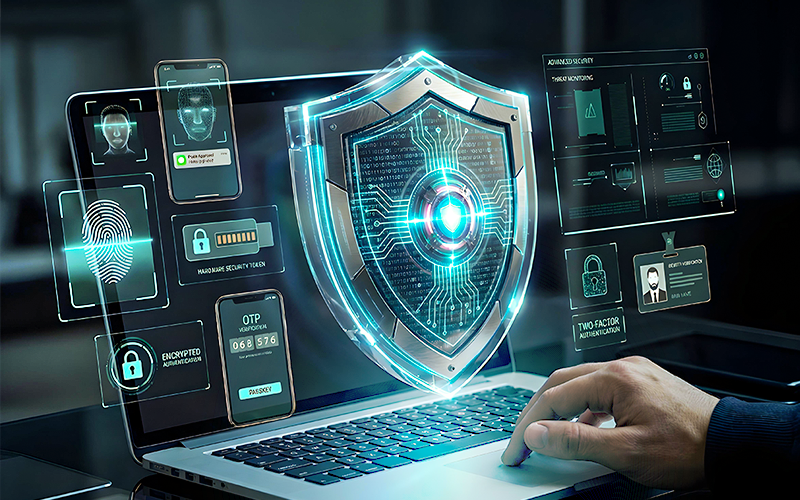
Cybersecurity Upgrade is no longer optional for modern businesses. Furthermore, as cyber threats become more sophisticated, organizations of all sizes need stronger security measures to protect sensitive data, maintain customer trust, and keep operations running smoothly. Investing in the right cybersecurity upgrade can help businesses stay ahead of attackers and reduce the risk of costly security incidents.
Unfortunately, many businesses still rely on outdated security measures that were designed for a different era. As cyber threats continue to evolve, organizations need a cybersecurity upgrade that can keep pace with modern attackers. The good news is that strengthening your security doesn’t have to be complicated. The right approach can help protect sensitive data, maintain customer trust, and prevent costly disruptions.
Why a Cybersecurity Upgrade Is No Longer Optional
For years, businesses depended on passwords, firewalls, and antivirus software as their primary defenses. However, while these tools still play an important role, cybercriminals have become far more sophisticated.
For example, today’s attackers use phishing emails, stolen credentials, ransomware, and social engineering tactics to gain access to company systems. Instead, they often trick employees into opening the door for them.
Imagine an employee receiving what appears to be a legitimate email from a supplier or bank. A single click on a malicious link can expose login credentials and give attackers access to critical systems. This type of incident happens more often than many businesses realize.
The Cybersecurity Upgrade Businesses Need
The modern cybersecurity upgrade focuses on protecting identities, monitoring user activity, and verifying access requests before they become security risks.
Moreover, rather than trusting every login attempt, modern security solutions continuously evaluate whether access should be granted. This proactive approach helps detect suspicious behavior before serious damage occurs.
Some of the most effective cybersecurity upgrades include:
Multi-Factor Authentication
Passwords can be stolen, guessed, or leaked. Multi-factor authentication adds an extra layer of security by requiring additional verification before access is granted
Continuous Monitoring
Modern security tools monitor user activity in real time. If unusual behavior is detected, alerts can be triggered immediately.
Identity Protection
Identity protection ensures that users are who they claim to be. This reduces the risk of unauthorized access through stolen credentials.
Employee Security Awareness
Technology alone cannot stop every threat. Regular employee training helps staff recognize phishing attempts and other common cyberattacks.
How a Cybersecurity Upgrade Protects Businesses
The goal of modern cybersecurity is not simply to block attacks. It is to identify risks early and respond before they become major incidents.
For instance, consider a company where an employee’s password is compromised through a phishing attack. Traditional security systems may allow the attacker to log in successfully because the credentials are correct.
As a result, modern cybersecurity measures can immediately detect unusual login locations, unfamiliar devices, and suspicious behavior. Additional verification may be required, preventing unauthorized access.
Consequently, this approach helps businesses stay one step ahead of attackers.
The Cost of Delaying Better Security
Unfortunately, many organizations delay security improvements because they believe cyberattacks only target large companies. In reality, businesses of all sizes are potential targets.
A successful attack can result in:
- Financial losses
- Operational downtime
- Data breaches
- Regulatory penalties
- Damage to customer trust
Therefore, recovering from a security incident often costs significantly more than investing in preventative measures.
Building a Stronger Security Strategy
In addition, every business can benefit from reviewing its cybersecurity practices. A strong security strategy should include:
- Multi-factor authentication for all critical accounts.
- Regular security awareness training.
- Access controls based on user roles.
- Continuous monitoring and threat detection.
- Regular software updates and patch management.
- Identity protection solutions.
These measures create multiple layers of defense that reduce the likelihood of a successful attack.
The Future of Business Cybersecurity
Looking ahead, cyber threats will continue to evolve, and businesses must evolve with them. Therefore, the organizations that invest in modern security solutions today will be better prepared for tomorrow’s challenges
The cybersecurity upgrade every business needs today is not just about adding more tools. It is about adopting a smarter, more proactive approach to security. By protecting identities, monitoring activity, and strengthening access controls, businesses can reduce risk and operate with greater confidence in an increasingly digital world.