
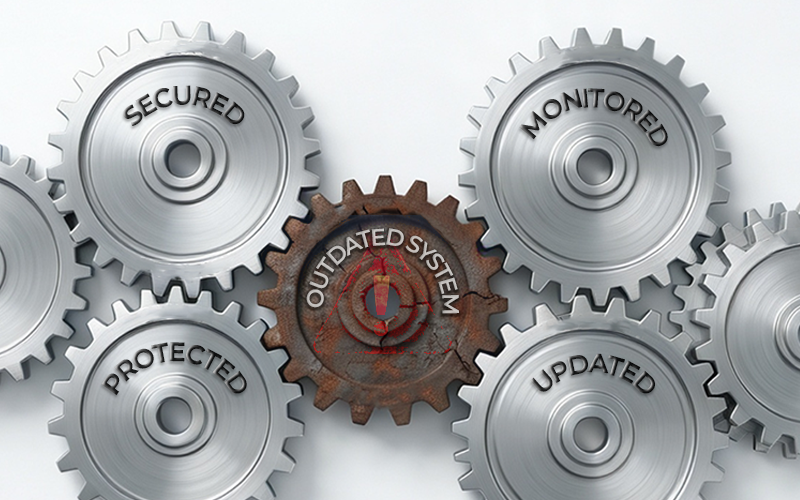
The risks of outdated systems are a major cybersecurity concern for modern businesses. Outdated infrastructure does not just slow operations—it creates security gaps that attackers can easily exploit to access sensitive data and disrupt business activities.
Cybercriminals often target legacy systems, unpatched software, and unsupported applications because they are easier to compromise.
What Are the Risks of Outdated Systems?
Outdated systems expose businesses to serious cybersecurity vulnerabilities. When software is no longer updated, critical security protections are removed over time.
Common risks include:
- Cyberattacks and ransomware infections
- Data breaches and information theft
- System downtime and operational disruption
- Compliance failures
- Higher maintenance costs
- Loss of customer trust
Why Outdated Systems Increase Cybersecurity Threats
One major issue is that software vendors eventually stop releasing security patches. This leaves systems permanently exposed.
Attackers exploit:
- Unpatched vulnerabilities
- Weak authentication mechanisms
- Unsupported operating systems
- Poor network configurations
Once inside, attackers can move through systems and escalate access to sensitive information.
Business Impact of Legacy Systems
The effects of outdated infrastructure go beyond IT systems; they impact the entire business.
1. Financial losses
Cyber incidents may result in recovery costs, fines, and ransom payments.
2. Productivity decline
Slow or unstable systems reduce employee efficiency.
3. Reputation damage
Data breaches reduce customer trust and brand credibility.
4. Compliance risks
Regulated industries may face penalties for using unsupported systems.
Signs Your Systems Are Outdated
You may already be exposed if you notice:
- Frequent system crashes
- Slow application performance
- Unsupported software versions
- Failed updates or alerts
- Integration issues with new tools
How to Reduce Cybersecurity Risks from Outdated Systems
To reduce exposure, businesses should focus on proactive security measures:
Regular patching and updates
Keep systems, applications, and devices updated consistently.
System modernization
Upgrade legacy infrastructure to cloud or hybrid environments.
Continuous monitoring
Detect threats early using security monitoring tools.
Employee awareness training
Reduce risks caused by phishing and human error.
Backup and recovery planning
Ensure fast restoration after cyber incidents.
Conclusion
Outdated infrastructure significantly increases exposure to cyber threats, operational disruption, and financial losses. Modernising systems is essential for long-term security and business continuity.
Upgrade your infrastructure and reduce cybersecurity exposure. Strengthen your systems with Xown Solutions today.

